 ) located in the address bar to open the share menu.
Keeping Active in Hot Weather
Save this item - "Keeping Active in Hot Weather"
When the sun is shining, it’s the perfect opportunity to get outdoors and enjoy being active. Whether it’s a walk with friends, a bike ride, gardening, playing with the children, or simply choosing to walk or wheel instead of drive, summer can make moving more enjoyable.
However, exercising or being active during hot weather requires a little extra planning. High temperatures can increase your risk of dehydration, heat exhaustion and heatstroke, particularly for older adults, young children and people with certain health conditions. Government guidance recommends taking extra care and adapting your activity when temperatures rise. The good news is that you don’t need to stop moving altogether. By making a few adjustments, you can stay active, stay safe and continue enjoying the benefits of movement.
Physical activity remains important all year round. Moving more can help improve your mood, boost your energy levels, support better sleep, strengthen muscles and bones, and improve overall health and wellbeing. Every movement counts and any activity is better than none.
Top tips for keeping active in the heat
1. Choose cooler times of day
Try to be active early in the morning or later in the evening when temperatures are lower. The hottest part of the day is often between 11am and 3pm, so this is a good time to rest, seek shade or move activities indoors.
- Slow down and listen to your body
Hot weather places extra strain on the body. You may find that activities feel harder than usual. It’s OK to walk instead of run, take more breaks, reduce the intensity of your workout, choose gentler activities such as stretching or yoga. Remember, moving a little is better than doing too much and becoming unwell.
- Stay hydrated
Drink water regularly throughout the day, not just when you’re exercising. Take a water bottle with you and sip often. If you’re planning a longer activity, make sure you have access to fluids before, during and afterwards.
- Dress for the weather
Wear light-coloured clothing, loose-fitting fabrics, a hat that provides shade, comfortable footwear. If you’re outdoors, apply sunscreen and reapply it regularly.
- Make the most of shade
Look for shady routes when walking, wheeling or cycling and take breaks under trees or covered areas. Parks, woodland trails and waterfront paths can often feel noticeably cooler than open spaces in direct sunlight.
- Consider indoor options
If temperatures are particularly high, move your activity indoors. You could try home exercise videos, online fitness classes, active housework, dancing to your favourite music. Being active doesn’t have to mean being outside.
- Keep activity social
Summer is a great time to connect with others through movement. Why not arrange a morning walk and catch up with a friend, a family bike ride, a gentle stroll or wheel to a local café, an evening walk after dinner? Being active with others can help you stay motivated while keeping activity fun and enjoyable.
Know the signs of heat exhaustion
It’s important to recognise when your body may be struggling with the heat. Signs of heat exhaustion can include feeling dizzy or faint, excessive sweating, headaches, tiredness or weakness, feeling sick, muscle cramps. If you experience these symptoms, stop your activity, move to a cool place, drink water and rest until you feel better. Seek medical advice if symptoms do not improve or worsen.
Keep it simple, keep it safe
Summer doesn’t need to put your physical activity plans on hold. By staying hydrated, avoiding the hottest parts of the day and choosing activities that suit the conditions, you can continue moving safely and confidently. Focus on finding ways that work for you, enjoy the longer days and make movement part of your everyday life.
Government Guidance on staying safe in hot weather
Please seek medical advice if you’re unsure about exercising with an existing health condition.

Physical Activity Guidelines
If you’re looking to build more movement into your everyday life, it’s useful to know how much activity you need to do in order to benefit your health.
There are lots of apps, programmes and gadgets out there, which will help you keep track of your activity levels. However, the UK’s Chief Medical Officer has published simple, straightforward guidelines that will help you set some targets for how much activity to do.
The downloadable infographics act as a handy reminder as you continue along your journey to becoming more active on an everyday basis.
Explore more
Three-A-Day of Moving More
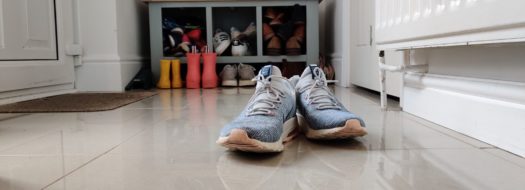
In order to help you start moving more in your everyday life, Everyday Active has created the 'three-a-day' approach to becoming more active. If you can start moving more just three times a day, for a couple of minutes at a time, this can start to form the habit of a more active lifestyle.
